
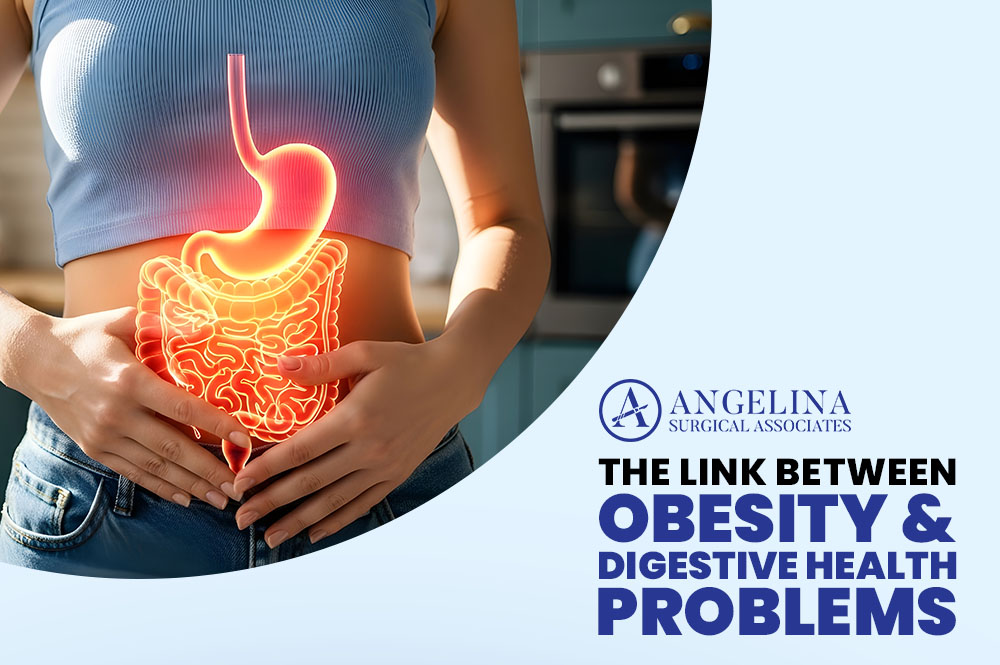
Overview: Learn how obesity affects digestive health, including GERD, fatty liver, and more. Understand risks, symptoms, and when to seek care!
Obesity is often discussed in terms of weight, heart health, or diabetes, but its impact on the digestive system is just as significant. For many patients, symptoms like acid reflux, abdominal discomfort, or changes in bowel habits may actually be connected to underlying weight-related factors.
The relationship between obesity and digestive health is not always obvious, but it is well established. Understanding that connection can help patients recognize symptoms earlier and seek the right kind of care.
Let’s get into this to understand better.
How Does Excess Weight Affect the Digestive System?
The digestive system relies on proper pressure balance, muscle function, and organ coordination. Excess body weight, particularly around the abdomen can disrupt this balance.
Increased abdominal pressure can push stomach contents upward, interfere with normal digestion, and affect how organs like the liver and intestines function. Over time, this can contribute to both structural and functional digestive problems.
Why Is GERD More Common in People With Obesity?
One of the most common digestive issues linked to obesity is gastroesophageal reflux disease (GERD).
Increased Pressure on the Stomach
Excess weight places added pressure on the stomach, making it easier for acid to move upward into the esophagus.
Weakened Lower Esophageal Sphincter (LES)
Obesity is associated with reduced function of the LES—the muscle that normally prevents acid reflux.
Higher Risk of Hiatal Hernia
Patients with obesity are more likely to develop hiatal hernias, which can further worsen reflux symptoms. Together, these factors can lead to persistent heartburn, regurgitation, and long-term esophageal irritation.
How Is Obesity Linked to Fatty Liver Disease?
Obesity is one of the leading risk factors for non-alcoholic fatty liver disease (NAFLD).
What Happens in Fatty Liver Disease?
Excess fat builds up in liver cells, which can lead to inflammation and, in some cases, liver damage over time.
Why It Often Goes Unnoticed
Many patients have no symptoms in early stages. When symptoms do appear, they may include fatigue or mild discomfort in the upper abdomen. Without management, fatty liver disease can progress to more serious conditions, including liver fibrosis or cirrhosis.
Also Read >> The Role of Obesity in Fatty Liver Diseases
Can Obesity Affect Bowel Function and Digestion?
Yes — obesity can influence how the intestines function.
Patients may experience:
-
Slower digestion or bloating
-
Increased risk of gallstones
-
Changes in bowel habits, including constipation or irregularity
These effects are often related to metabolic changes, dietary patterns, and altered gut function.
Does Weight Loss Improve Digestive Health?
In many cases, even modest weight loss can lead to noticeable improvements.
Benefits of Weight Reduction
-
Reduced acid reflux symptoms
-
Improved liver function in early-stage fatty liver disease
-
Better digestive comfort and regularity
Weight loss does not need to be extreme to be beneficial. Gradual, sustained changes often produce meaningful improvements in symptoms.
When Should Digestive Symptoms Be Evaluated?
Digestive symptoms should not be dismissed as “just weight-related.”
Seek medical evaluation if you experience:
-
Persistent heartburn or regurgitation
-
Difficulty swallowing
-
Ongoing abdominal pain
-
Unexplained changes in bowel habits
-
Fatigue or signs of liver-related issues
Proper evaluation ensures that symptoms are correctly diagnosed and treated.
Frequently Asked Questions (FAQs)
Can obesity cause long-term digestive problems?
Yes. Obesity is linked to conditions like GERD, fatty liver disease, and changes in bowel function.
Is fatty liver disease reversible?
In early stages, it can often improve with weight loss and lifestyle changes.
Does losing weight help acid reflux?
Yes. Even modest weight loss can significantly reduce GERD symptoms in many patients.
Final Words
Obesity and digestive health are closely connected, but that connection is often overlooked. Symptoms like reflux, bloating, or discomfort may be part of a broader picture rather than isolated issues.
The goal is not simply to manage symptoms; it’s to understand the underlying cause and take steps toward long-term health. With the right guidance, many digestive problems can be improved, managed, or even prevented.
Learn more or schedule a consultation with Angelina Surgical.