
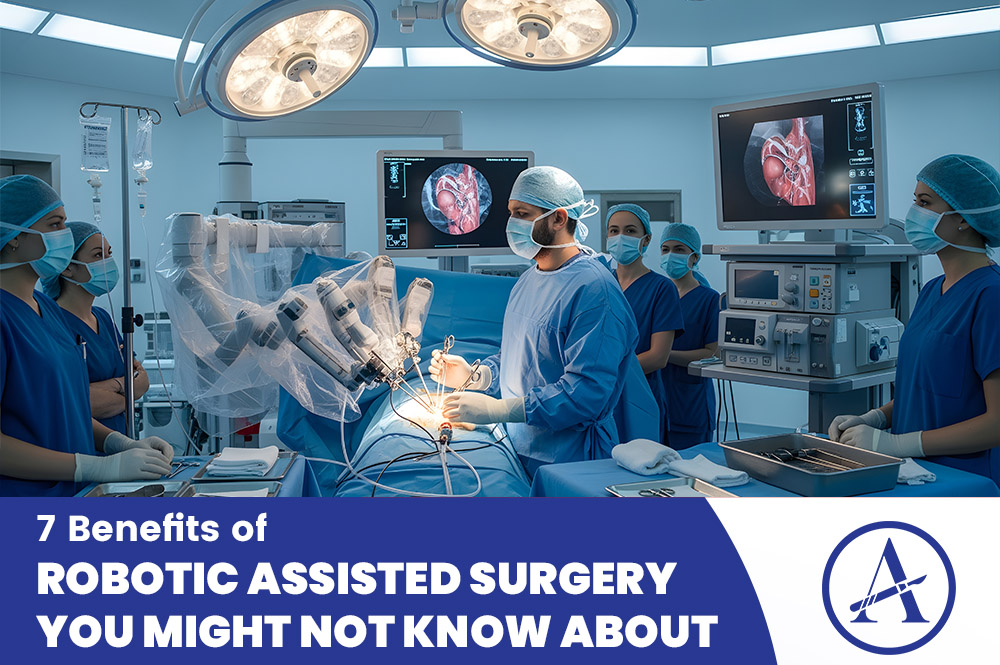
Overview: Discover the 7 surprising benefits of robotic-assisted surgery, from faster recovery to greater precision, and why more patients are choosing this advanced option!
Robotic-assisted surgery has quickly moved from a cutting-edge concept to a trusted option for patients who want the highest level of precision and the least possible disruption to their lives. While it’s natural to feel cautious about anything involving the word “robot,” this technology is ultimately about enhancing the surgeon’s abilities, not replacing them.
At Angelina Surgical Associates, robotic platforms such as the da Vinci® system help create a safer, gentler surgical experience — one that prioritizes patient comfort, faster recovery, and long-term outcomes.
If you’ve ever wondered what makes robotic-assisted procedures different from traditional surgery, here are 7 benefits that may surprise you!
1. People Ask: What Makes Robotic Surgery Minimally Invasive?
One of the clearest advantages of robotic surgery is the ability to operate through tiny incisions — often just a few millimeters wide. The robotic instruments are designed to move with exceptional precision inside very small spaces. This results in less tissue damage, minimal scarring, and a much smoother postoperative experience. For many patients, smaller incisions also mean a reduced risk of infection and complications.
2. How Fast Is Recovery After Robotic Surgery?
Because the procedure causes less trauma to the tissues, most patients experience significantly shorter recovery times than with open surgery. Many return to work or normal routines sooner, with less reliance on pain medication. While every case is unique, the overall trend is clear: robotic-assisted surgery supports a faster, more comfortable healing process.
3. Why Robotic Surgery Offers More Precision Than Traditional Techniques
Robotic systems don’t replace the surgeon — they amplify the surgeon’s skill. These instruments can rotate and bend in ways the human hand cannot, allowing for finer, more controlled movements. This level of accuracy is especially important for complex or delicate procedures involving tight spaces or sensitive tissues. The result is a surgical approach that is both deliberate and refined, reducing the risk of unintended injury.
4. How Better 3D Visualization Improves Surgical Accuracy
During robotic surgery, the surgeon operates through a high-definition, 3D camera that magnifies the surgical area far beyond what the human eye can naturally see. This enhanced visualization helps the surgeon identify structures clearly, distinguish between tissues, and make precise decisions throughout the procedure. It’s like having a magnifying glass, headlamp, and stabilizer all working at once — except far more advanced.
5. Does Robotic Surgery Reduce Complications? What Patients Should Know
The combination of improved precision, steadier movements, and enhanced views means the likelihood of complications such as excessive bleeding or unintentional tissue injury is greatly reduced. While no surgical option is completely risk-free, robotic-assisted techniques are consistently shown to support safer, more predictable outcomes across many specialties.
6. Why Patients Report Less Pain After Robotic Surgery
With smaller incisions and minimal disruption to muscles and tissues, most patients report less postoperative pain. This not only makes recovery more comfortable but also helps support healing without needing strong pain medications. For many patients, the difference in comfort level is one of the first things they notice after robotic surgery.
Also Read >> Robotic Surgery Increases Precision & Shortens Recovery
7. Can More Procedures Be Done Minimally Invasive? How Robotics Expands Options
Some procedures that once required open surgery can now be performed robotically. The technology expands what’s possible by giving surgeons the flexibility to approach complex cases with a minimally invasive method. This is especially valuable for patients who want a less intensive experience without compromising quality or safety.
Frequently Asked Questions (FAQs) About Robotic-Assisted Surgery
1. Is robotic-assisted surgery safe?
Yes. The surgeon remains fully in control at all times. The robotic system simply enhances precision and visibility, which can improve safety and outcomes.
2. Will I feel the robot operating on me?
No. Robotic-assisted procedures are performed under anesthesia, just like traditional surgery. The “robot” is controlled entirely by the surgeon.
3. How do I know if robotic surgery is right for me?
Your surgeon will evaluate your condition, overall health, and goals to determine whether a robotic approach is appropriate. Many, but not all procedures qualify.
A Surgical Approach Designed Around You
At Angelina Surgical Associates, robotic-assisted surgery is never about replacing the personal connection between doctor and patient. Instead, it enhances that relationship by giving surgeons powerful tools that help them operate with more accuracy, confidence, and care. Patients can feel reassured knowing their procedure is guided by both advanced technology and the steady expertise of an experienced surgical team.
If you’re considering a surgical option and want to know whether robotic-assisted surgery might be right for you, our team is always here to walk you through the possibilities, answer your questions, and help you make an informed, comfortable decision.