
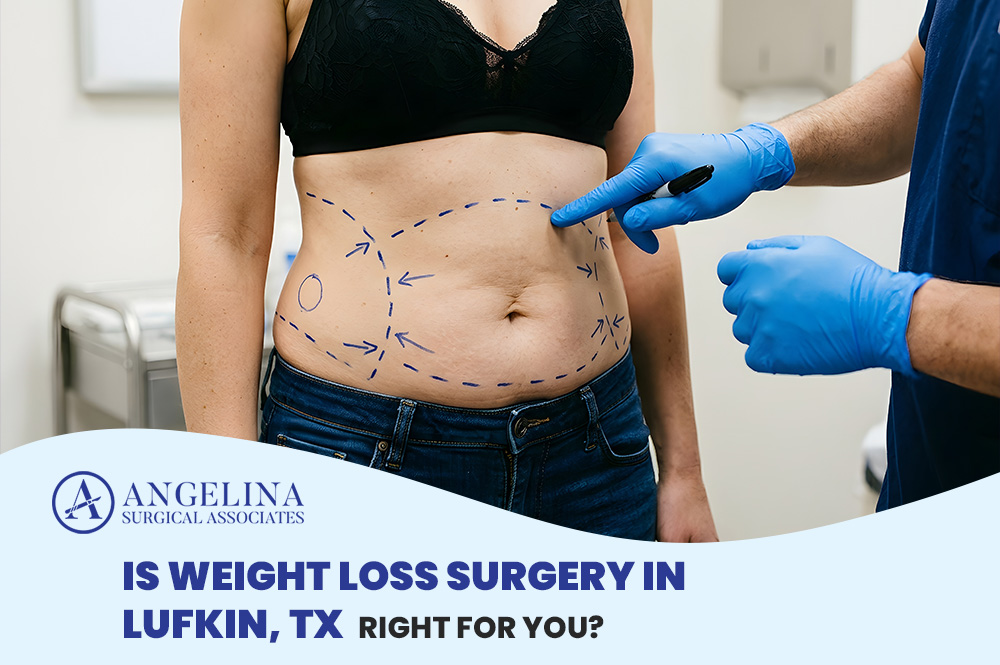
Overview: Considering weight loss surgery in Lufkin, TX? Learn who qualifies, the benefits, and how bariatric surgery can support lasting health!
You’ve tried the diets. You’ve committed to workout plans, counted calories, cut carbs, downloaded the apps, and promised yourself that this time would be different. Maybe you lost some weight, only to gain it back months later. Maybe the scale barely moved at all despite your best efforts.
If this sounds familiar, you’re not alone.
For many people, obesity isn’t simply a matter of willpower. It’s a complex medical condition influenced by genetics, hormones, metabolism, lifestyle, and other health factors. That’s why long-term weight loss can feel like an uphill battle, even when you’re doing everything “right.”
If you’re exploring weight loss surgery in Lufkin, TX, it’s natural to wonder whether bariatric surgery could be the next step, or if it’s even the right option for you. The good news is that you don’t have to figure it out alone.
Weight Loss Surgery Is About More Than Losing Weight
While the number on the scale often gets the most attention, bariatric surgery is designed to improve overall health and not simply appearance.
Excess weight increases the risk of several serious medical conditions, including:
-
Type 2 diabetes
-
High blood pressure
-
Sleep apnea
-
Heart disease
-
Joint pain
-
Fatty liver disease
-
Gastroesophageal reflux disease (GERD)
For many patients, successful weight loss leads to better mobility, increased energy, improved confidence, and a significantly lower risk of obesity-related complications.
Who May Be a Candidate for Bariatric Surgery?
Weight loss surgery isn’t intended for everyone who wants to lose weight. Instead, it’s typically recommended for individuals who meet established medical guidelines and have struggled to achieve lasting results through diet and exercise alone.
In general, you may be a candidate if you:
-
Have a Body Mass Index (BMI) of 40 or higher, or
-
Have a BMI of 35 or higher along with obesity-related health conditions such as diabetes or high blood pressure.
Your surgeon will also consider factors such as your overall health, medical history, previous weight-loss efforts, and readiness to commit to long-term lifestyle changes.
According to the American Society for Metabolic and Bariatric Surgery (ASMBS), bariatric surgery is one of the most effective treatments for severe obesity and can significantly improve obesity-related diseases.
Also Read >> Who is a Candidate for Weight Loss Surgery?
What Types of Weight Loss Surgery Are Available?
There isn’t a single procedure that’s right for everyone.
Depending on your health goals and medical needs, your surgeon may recommend procedures such as:
-
Gastric Sleeve (Sleeve Gastrectomy)
-
Gastric Bypass
-
Revisions bariatric procedures (when appropriate)
Each procedure works differently, but all are designed to help patients eat less, improve metabolism, and support sustainable weight loss when combined with healthy lifestyle habits.
Your surgeon will explain the advantages and considerations of each option during your consultation.
Is Surgery the “Easy Way Out?”
This is one of the biggest misconceptions surrounding bariatric surgery.
Weight loss surgery is not a shortcut—it is a medical tool.
Patients still need to make meaningful lifestyle changes, including:
-
Following a healthy diet
-
Staying physically active
-
Taking recommended vitamins
-
Attending follow-up appointments
-
Building lifelong healthy habits
The surgery helps patients succeed by changing how the digestive system functions, but long-term success depends on ongoing commitment.
What Benefits Can Patients Expect Beyond Weight Loss?
Many patients are surprised by how much their quality of life improves after bariatric surgery.
Beyond weight loss itself, patients often experience:
-
Better blood sugar control
-
Reduced blood pressure
-
Improved sleep
-
Less joint pain
-
Increased mobility
-
Greater confidence in daily activities
Many also find that everyday tasks; walking, climbing stairs, traveling, or playing with children and grandchildren—become easier as their health improves.
Why Choose a Local Bariatric Surgeon in Lufkin, TX?
Weight loss surgery is not a one-day event—it’s a journey that continues long after the procedure.
Choosing a trusted bariatric surgeon close to home means you’ll have access to ongoing guidance before surgery, during recovery, and throughout your long-term weight-loss journey.
For patients throughout Lufkin and the greater East Texas region, having experienced surgical care nearby makes follow-up visits, nutritional support, and continued monitoring far more convenient and accessible.
Frequently Asked Questions (FAQs)
How do I know if I qualify for weight loss surgery?
Most candidates have a BMI of 40 or higher, or a BMI of 35 or higher with obesity-related health conditions. A consultation is the best way to determine eligibility.
How much weight can I expect to lose after surgery?
Results vary by procedure and lifestyle commitment, but many patients experience significant and sustained weight loss over time.
Will I need to change my diet after bariatric surgery?
Yes. Long-term success depends on adopting healthy eating habits, staying active, and following your surgeon’s postoperative recommendations.
Final Words
Deciding whether weight loss surgery is right for you is a deeply personal decision, but it doesn’t have to be made alone. If obesity is affecting your health, limiting your mobility, or preventing you from living the life you want, it may be time to explore your options with a qualified bariatric surgeon.
For many patients, weight loss surgery isn’t about becoming someone different; it’s about reclaiming their health, confidence, and quality of life. We at Angelina Surgical proudly serve patients throughout Lufkin and the greater East Texas region with personalized weight-loss solutions. Learn more or schedule your consultation with us here.