
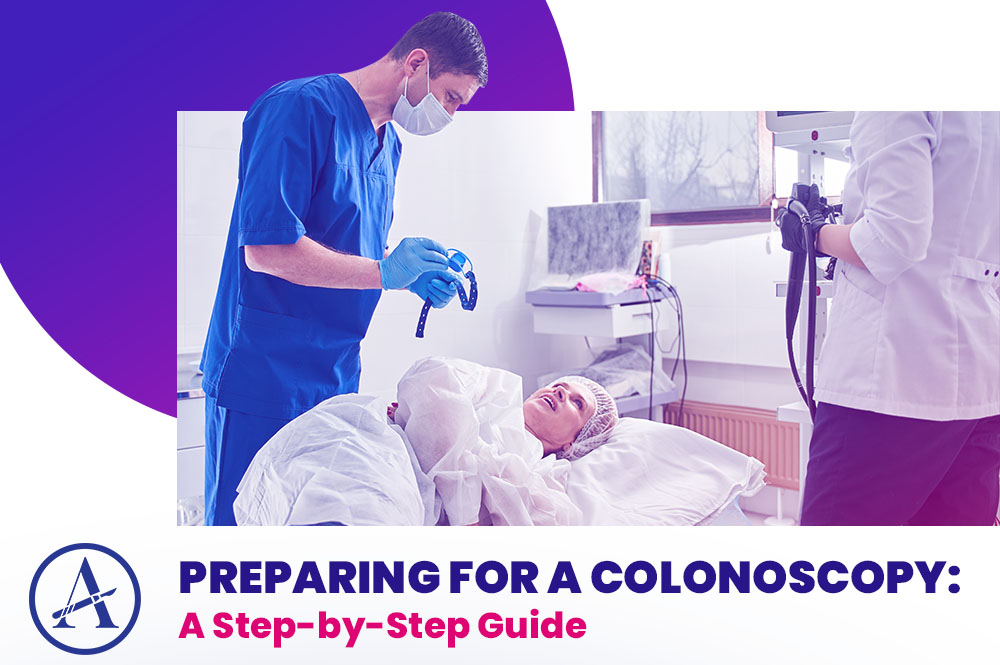
Overview: Preparing for a colonoscopy made simple. Learn what to expect, how to prep step by step, and why proper preparation matters!
Hearing the word colonoscopy can make many people uneasy, but the procedure itself is usually straightforward. What matters most is preparation. A well-prepared colon allows doctors to see clearly, make accurate assessments, and avoid repeat procedures.
If you’re feeling anxious or unsure, you’re not alone. Knowing what to expect, step by step, can make the process feel far more manageable.
Why Is Colonoscopy Preparation So Important?
Colonoscopy prep clears the colon so the doctor can view the lining clearly. If stool remains, it can hide polyps or other abnormalities, reducing the accuracy of the exam. Inadequate preparation is one of the most common reasons a colonoscopy must be repeated.
Proper prep isn’t about discomfort but about safety, clarity, and getting reliable results the first time.
Also Read >> Colonoscopy: Prep & Procedure Details
What Should You Eat (and Avoid) Before a Colonoscopy?
Several days before the procedure, your doctor may recommend avoiding high-fiber foods such as nuts, seeds, raw vegetables, and whole grains. These foods are harder to clear from the colon.
The day before your colonoscopy, you’ll typically switch to a clear liquid diet. This may include water, clear broth, plain tea or coffee (no cream), and certain clear juices. Red or purple liquids are usually avoided because they can interfere with results.
When and How Do You Take the Bowel Prep Solution?
The bowel prep solution is designed to clean out the colon completely. It’s usually taken the day before the procedure, sometimes split between the evening before and the morning of the exam.
While the prep can be inconvenient, following the timing and instructions exactly is critical. Staying near a bathroom, drinking fluids as advised, and pacing yourself can make this step easier.
What Medications Should You Adjust Before the Procedure?
Some medications — such as blood thinners, diabetes medications, or supplements may need to be paused or adjusted before a colonoscopy. Your healthcare provider will give specific guidance based on your medical history.
Never stop medications without clear instructions. When in doubt, ask for clarification well ahead of time.
What Happens on the Day of the Colonoscopy?
On the day of the procedure, you’ll typically stop drinking liquids several hours beforehand. The procedure itself is usually brief, and most patients receive sedation to remain comfortable.
Afterward, you’ll need someone to drive you home. Mild bloating or grogginess is common, but most people return to normal activities by the next day.
What If You’re Nervous or Have Concerns?
Feeling anxious is normal. Colonoscopies are routine procedures, and complications are uncommon. Open communication with your care team can ease concerns and help tailor the process to your needs.
Remember, this exam plays a key role in detecting issues early — often before symptoms appear.
Frequently Asked Questions (FAQs)
Is colonoscopy preparation painful?
The prep itself isn’t painful, but it can be uncomfortable. Following instructions carefully helps minimize issues.
What happens if my prep isn’t complete?
If the colon isn’t fully clear, the procedure may need to be repeated. That’s why prep is so important.
How often do I need a colonoscopy?
Screening intervals vary based on age, findings, and risk factors. Your provider will recommend a schedule tailored to you.
Final Words
Preparing for a colonoscopy may feel overwhelming at first, but each step serves a clear purpose. Good preparation supports accurate results, reduces the need for repeat exams, and helps your healthcare provider give you the best possible care.
Taking the process one step at a time can turn a stressful task into a manageable one, and an important investment in your long-term health.
Have questions about a colonoscopy or need guidance before your procedure? Learn more or schedule a consultation with Angelina Surgical.